Tomb of the Unknown Soldier
Paris, France

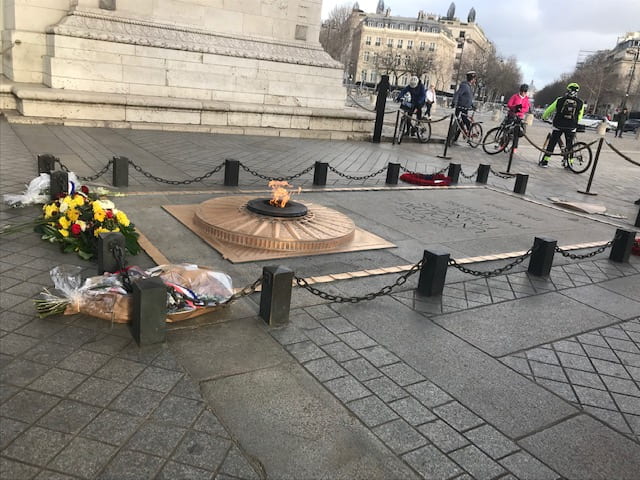
Discover the Tomb of the Unknown Soldier at the Arc de Triomphe in Paris, France – a powerful symbol of national remembrance and sacrifice.
<h2>Overview</h2><p>Nestled beneath the colossal arches of the Arc de Triomphe in Paris, France, lies a deeply poignant and powerful memorial: the Tomb of the Unknown Soldier. This solemn site honors an unidentified French soldier who perished during World War I, serving as a symbolic resting place for all those who have died for France throughout history. It is a place of profound national remembrance, silently communicating the immense collective sacrifice made by countless individuals whose names and fates remain unknown. The tomb, marked by a simple granite slab and an eternal flame, stands as a perpetual tribute, drawing visitors from across the globe to reflect on the cost of conflict and the enduring spirit of a nation.</p><h2>History & Cultural Background</h2><p>The genesis of the Tomb of the Unknown Soldier can be traced back to the harrowing aftermath of World War I, a conflict that claimed an unprecedented number of lives. The idea to honor an unidentified combatant, representing all the fallen without individual graves, first emerged in 1916 from Francis Simon, President of the Souvenir Français association in Rennes. The proposal gained significant public and parliamentary support, leading to its unanimous adoption by the Chamber of Deputies in 1919.</p><p>A critical step in its establishment occurred on November 10, 1920, at the citadel of Verdun. Here, among eight coffins containing the remains of unidentified soldiers from various battlefields, a young 21-year-old soldier named Auguste Thin was tasked with choosing one. His selection, reportedly the sixth coffin, was based on a deeply personal connection to his military unit and regiment numbers. This chosen soldier's coffin was then transported with solemn ceremony to Paris, arriving under the Arc de Triomphe on November 11, 1920, Armistice Day, though the final burial would not occur until January 28, 1921. Two years later, on November 11, 1923, the 'Flame of Remembrance' was first lit by André Maginot, then Minister of War, marking a new chapter in this powerful memorial. This eternal flame has burned continuously ever since, serving as a perpetual symbol of national gratitude and remembrance.</p><h2>What Makes It Special</h2><p>What truly sets the Tomb of the Unknown Soldier apart is its profound symbolism and its daily, living ritual. It is not merely a static monument but a vibrant embodiment of national memory and respect. The eternal flame, unique as one of the first of its kind, symbolizes a vow of unceasing remembrance for those who died for France. This flame is rekindled every evening at 6:30 PM in a moving ceremony overseen by veteran associations, transforming a simple act into a continuous civic duty and a bridge connecting past sacrifice with present vigilance.</p><p>Its location directly beneath the Arc de Triomphe, one of Paris's most iconic landmarks, elevates its significance. The grandeur of the Arch, originally commissioned by Napoleon to celebrate French military victories, now also serves as a permanent canopy for this humble yet powerful tribute to anonymous heroism. This juxtaposition creates a striking visual and emotional impact, making the site an essential pilgrimage for understanding French history and national identity.</p><h2>Stories, Fun Facts & Local Details</h2><p>The selection of the Unknown Soldier is a tale often recounted. Auguste Thin, the young soldier who made the choice, explained his decision by stating, 'A simple thought came to me. I belong to the sixth division. If I add up the numbers of my regiment, 123, that too comes to six. My decision was made. It would be the sixth coffin I passed in front of.' This personal, almost serendipitous choice, imbues the anonymous figure with an intimate, relatable history.</p><p>Initially, there was a debate about the Unknown Soldier's final resting place, with the Pantheon being another strong contender. However, a vigorous public campaign and the support of veterans' associations ensured the Arc de Triomphe became its home. The influence of this memorial also extended internationally; following a visit by US President John F. Kennedy, his wife Jacqueline Kennedy was inspired by the eternal flame and requested a similar one for his grave at Arlington National Cemetery after his assassination.</p><p>Every evening, the rekindling ceremony is a powerful local detail, a routine that has endured for a century. Various veteran associations take turns participating, ensuring that the flame never extinguishes, and the memory of the fallen remains vibrant. This daily ritual is a poignant demonstration of collective remembrance.</p><h2>Visitor Perspective</h2><p>Visiting the Tomb of the Unknown Soldier offers a unique opportunity for contemplation and respect. Access to the tomb itself, located at the base of the Arc de Triomphe, is free and never closed, allowing visitors to pay their respects at any time, except during specific official ceremonies. To reach the tomb safely, visitors should use the underground pedestrian passages from the Champs-Élysées or Avenue de la Grande Armée, which also provide access to the Arc de Triomphe's entrance.</p><p>The evening rekindling ceremony, held daily at 6:30 PM, is a particularly moving experience. While individual participation in the ceremony is not open, the public is welcome to observe this solemn tribute. During such times, respectful behavior, maintaining distance, and speaking softly are highly encouraged. Observing the ceremony provides a powerful insight into French national identity and remembrance. Climbing to the top of the Arc de Triomphe offers panoramic views of Paris, but a visit to the base to honor the Unknown Soldier provides a different, more introspective perspective on the city's historical depth and enduring respect for its heroes.</p>
Location
Coordinates: 2.295028, 48.873792
View on Google Maps