The State Rooms
London, United Kingdom

Explore The State Rooms at Buckingham Palace in London, United Kingdom. Discover royal history, stunning art, and ceremonial spaces.
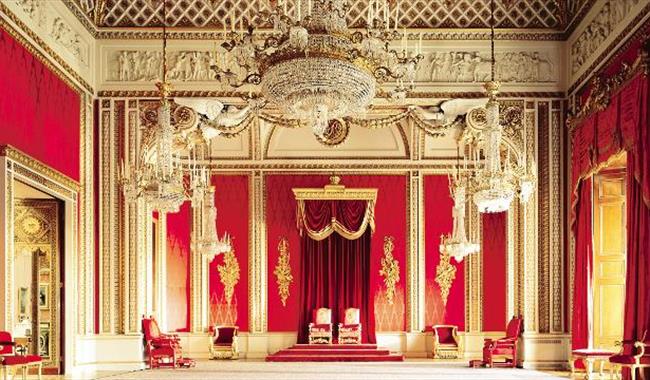
<h2>Overview</h2><p>Deep within the iconic Buckingham Palace, nestled in the heart of London, United Kingdom, lie 'The State Rooms' – a collection of 19 magnificent chambers that form the ceremonial core of the British monarchy. Far from being mere historical exhibits, these rooms serve as a living, breathing backdrop for the most significant events in royal life. Here, His Majesty The King and other members of the Royal Family receive dignitaries, host opulent state banquets, conduct investitures, and hold private audiences.</p><p>Buckingham Palace itself is one of the world's few remaining working royal palaces, making the State Rooms a unique window into royal tradition and contemporary statecraft. Visitors are granted a rare opportunity to explore these lavish interiors, typically during the summer months when the Palace is not in official use, and on selected dates during winter and spring.</p><h2>History & Cultural Background</h2><p>The story of the State Rooms begins not with Buckingham Palace as we know it, but with Buckingham House, originally built in the early 18th century for the Duke of Buckingham. In 1761, King George III acquired the property for his consort, Queen Charlotte, and it became known as 'The Queen's House.'</p><p>The transformation into the grand palace seen today commenced in the early 19th century, starting around 1825, under the ambitious vision of King George IV. He commissioned the renowned architect John Nash to undertake the extensive redesign, creating a series of opulent rooms fit for royal ceremonies and lavish entertaining. Since Queen Victoria made it her official London residence in 1837, Buckingham Palace and its State Rooms have been at the epicentre of British royal life. Later, King Edward VII oversaw a partial redecoration, introducing a distinctive Belle Époque cream and gold colour scheme to many areas. Many of the exquisite furnishings and works of art found within the State Rooms today reflect the discerning tastes of George IV, having been acquired for his previous residence, Carlton House.</p><h2>What Makes It Special</h2><p>What truly sets The State Rooms apart is their breathtaking grandeur and the sheer concentration of priceless artistry. Each of the 19 rooms is adorned with opulent furnishings, shimmering chandeliers, and some of the greatest treasures from the Royal Collection. Visitors can marvel at masterpieces by world-renowned artists such as Van Dyck, Rembrandt, Rubens, Canaletto, and Titian, alongside exquisite examples of Sèvres porcelain and fine English and French furniture.</p><p>Unlike traditional museums where artifacts are typically behind glass, many of the items within the State Rooms are still in active use, offering a glimpse into a living museum of royal heritage. Among the most notable chambers is the magnificent Ballroom, completed in 1855, which is the largest room in the Palace and the setting for state banquets and investitures. It features a dramatic vaulted ceiling, a grand pipe organ, and six enormous chandeliers.</p><p>The Throne Room, with its distinctive red walls, remains a powerful symbol of royal authority and has been the setting for formal photographs following significant royal occasions, including the wedding of The Prince and Princess of Wales. The White Drawing Room is often considered one of the most beautiful, elegantly decorated and frequently used for private audiences and smaller receptions. It even conceals secret doors, allowing the Royal Family discreet access from their private apartments. The Picture Gallery, a lengthy space designed by John Nash, displays a rotating collection of Old Master paintings and hosts numerous receptions.</p><h2>Stories, Fun Facts & Local Details</h2><ul><li>Buckingham Palace is home to 775 rooms in total, with the 19 State Rooms forming a crucial part of this vast residence.</li><li>During Queen Victoria's reign, a young man named Edward Jones managed to break into the Palace multiple times between 1838 and 1841, reportedly stealing a sword, some of the Queen's underwear, and even sitting on the throne.</li><li>The sociable Queen Victoria hosted many memorable concerts and lavish balls in both the Ballroom and the Throne Room, with famous musicians like Strauss and Mendelssohn performing for royal guests.</li><li>A truly touching detail is that the Music Room has been the venue for significant family events, including the christenings of King Charles III, his siblings, and Prince William.</li><li>The majestic Ballroom holds the distinction of being the first room in the Palace to be fitted with electricity, back in 1883.</li><li>The decision to open the State Rooms to the public in 1993 was initially made to raise funds for the extensive repairs needed at Windsor Castle after a devastating fire.</li></ul><h2>Visitor Perspective</h2><p>Experiencing The State Rooms offers an unparalleled journey into the heart of the British monarchy. Visitors typically embark on a self-guided tour, enhanced by a complimentary multimedia guide available in multiple languages, providing rich historical context and engaging stories for each room. A typical visit lasts approximately two to two and a half hours, allowing ample time to absorb the grandeur and intricate details of the surroundings.</p><p>The tour often concludes with access to the Palace Garden, a sprawling 39-acre oasis in central London, and opportunities to visit the Garden Café and Garden Shop. For those requiring step-free access, it is essential to pre-book directly with Buckingham Palace to ensure a comfortable visit. Many visitors also appreciate the option to convert their ticket into a 1-Year Pass, allowing for unlimited standard admission to Buckingham Palace throughout the year, contributing to the upkeep of this magnificent cultural institution.</p>
Location
Coordinates: -0.140634, 51.501476
View on Google Maps