The Queen’s Gallery
London, United Kingdom

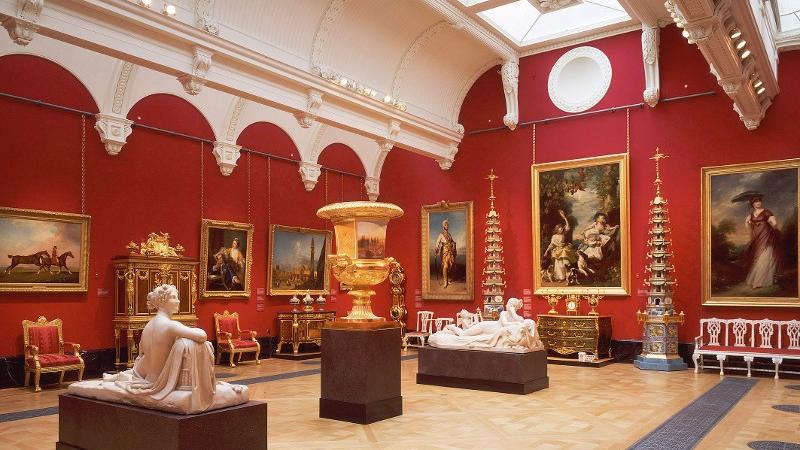
Discover The Queen's Gallery at Buckingham Palace, London, United Kingdom. Explore changing exhibitions from the Royal Collection, showcasing centuries of art and history.
<h2>Overview</h2> <p>Nestled discreetly within the grandeur of Buckingham Palace, The Queen’s Gallery in London, United Kingdom, offers a captivating portal into the artistic treasures of the Royal Collection. Far from being a permanent display, this elegant gallery hosts a dynamic series of changing exhibitions, meticulously curated from one of the world's most extensive and diverse art collections. It provides a unique opportunity for the public to engage with centuries of royal patronage and exquisite artistry, showcasing pieces that would otherwise remain housed within various royal residences across the United Kingdom.</p> <p>The Queen's Gallery is not merely an exhibition space; it is a cultural institution that allows visitors to explore the rich heritage of the British monarchy through its artistic possessions. From Old Master paintings and rare decorative arts to intricate drawings and historical photographs, each exhibition tells a distinct story, inviting curious travelers to delve into the aesthetic tastes and historical narratives woven throughout the Royal Collection.</p> <h2>History & Cultural Background</h2> <p>The story of The Queen’s Gallery is one of transformation and resilience. Its origins trace back to a conservatory designed by the architect John Nash in 1831, forming part of the original Buckingham House expansion. Just over a decade later, in 1843, Queen Victoria reimagined this space, converting it into a private chapel for the royal family.</p> <p>However, the chapel met a tragic fate during World War II, suffering significant damage from a bombing raid in 1940. For years, the site remained a poignant reminder of wartime destruction. It was not until 1962, under the directive of Queen Elizabeth II and personally supervised by Prince Philip, that the ruined chapel was reborn. It was transformed into a purpose-built public art gallery, a groundbreaking initiative to make the Royal Collection more accessible to the nation.</p> <p>The gallery underwent a significant modernization and expansion program between 1997 and 2002, coinciding with Queen Elizabeth II's Golden Jubilee. This extensive refurbishment tripled its exhibition space and saw the addition of a new entrance portico, echoing Nash's original architectural vision. This blend of historical significance and contemporary design established The Queen's Gallery as a premier destination for art and history enthusiasts.</p> <h2>What Makes It Special</h2> <p>What truly sets The Queen’s Gallery apart is its unparalleled access to the Royal Collection. Unlike many national museums, it draws exclusively from the vast holdings of the reigning monarch, which are held in trust for the nation rather than being personal property. This unique arrangement means visitors can encounter priceless works of art that are integral to the British cultural narrative.</p> <p>The Royal Collection itself is staggering in its scope, encompassing over a million objects across 13 royal residences. It includes an astonishing array of paintings, sculptures, drawings, and decorative arts spanning over five centuries. Masterpieces by iconic artists such as Leonardo da Vinci, Rembrandt, Vermeer, Canaletto, and Van Dyck regularly feature in its rotating exhibitions. This ensures that each visit offers a fresh perspective and a new selection of artistic marvels.</p> <p>The gallery's commitment to presenting diverse themes and artistic movements through its exhibitions ensures that it remains a vibrant and continually evolving cultural hub. This ever-changing program prevents any sense of stagnation, providing compelling reasons for repeat visits to uncover new facets of royal art and history.</p> <h2>Stories, Fun Facts & Local Details</h2> <p>A fascinating detail about The Queen's Gallery is that its very existence embodies a philosophy of public accessibility to royal treasures. While many parts of Buckingham Palace remain private, the gallery was specifically conceived to share the artistic wealth of the monarchy with a broader audience. It demonstrates a commitment to cultural enrichment that has evolved over centuries of royal patronage.</p> <p>One fun fact for visitors to note is the gallery's dynamic nature; because exhibitions change regularly, it's always advisable to check the Royal Collection Trust's official website for the current program. You might find yourself immersed in an exhibition dedicated to Leonardo da Vinci's drawings one season and then exploring royal fashion or intricate decorative arts the next.</p> <p>Historically, the Royal Collection itself largely took its modern form after the Restoration of the Monarchy in 1660, as much of Charles I's collection was sold off during the interregnum. Subsequent monarchs, particularly the Hanoverian Georges, were prolific collectors, building the incredible array of masterpieces seen today.</p> <p>It is also worth noting that 'The Queen's Gallery' has recently been renamed 'The King's Gallery' following the accession of King Charles III. However, the legacy and mission of showcasing the Royal Collection continue under its new designation, maintaining the tradition established by Queen Elizabeth II.</p> <h2>Visitor Perspective</h2> <p>A visit to The Queen’s Gallery offers an intimate and enriching experience, distinct from the grand tours of Buckingham Palace's State Rooms. The gallery provides a calmer environment, allowing for focused appreciation of the artworks on display. Access is typically managed through timed entry slots, which helps ensure a comfortable and uncrowded viewing experience for everyone.</p> <p>To enhance understanding and engagement, visitors often have access to multimedia guides or can opt for guided tours, providing deeper insights into the historical context and artistic significance of each piece. While photography is generally not permitted inside the exhibition rooms, the visual impact of the art and the serene atmosphere create lasting memories.</p> <p>The gallery is fully wheelchair accessible, ensuring that the art is enjoyable for all visitors. Before or after exploring the exhibitions, a visit to the gallery's shop provides an opportunity to purchase unique royal souvenirs, from books and replicas to gifts inspired by the Royal Collection. It's an essential stop for anyone seeking a deeper connection to the United Kingdom's royal and cultural heritage.</p>
Location
Coordinates: -0.1407, 51.5014
View on Google Maps