The Metropolitan Museum of Art
New York, United States

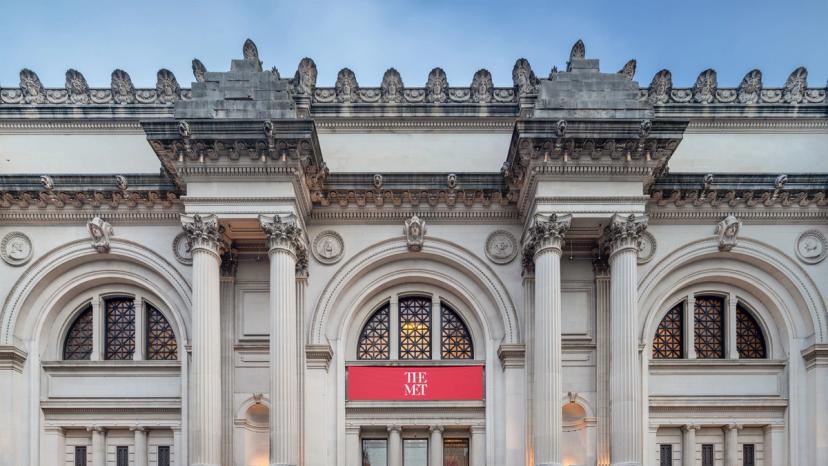
Discover The Metropolitan Museum of Art in New York, United States. Explore 5,000 years of global art, history, and culture at this iconic institution.
<h2>Overview</h2><p>The Metropolitan Museum of Art, affectionately known as 'The Met', stands as a monumental cultural landmark in New York City, United States. As the largest art museum in the United States and among the most visited globally, it offers an unparalleled journey through 5,000 years of human creativity. Situated majestically along Museum Mile on Fifth Avenue, bordering Central Park, its imposing facade welcomes millions of visitors annually to explore a collection spanning nearly every corner of the world and every epoch of history.</p><h2>History & Cultural Background</h2><p>The Met's origins trace back to 1866 in Paris, when a group of Americans envisioned a 'national institution and gallery of art' to bring art and art education to the American people. Incorporated on April 13, 1870, the museum initially opened in the Dodworth Building on Fifth Avenue, acquiring its first object, a Roman sarcophagus, later that year. The museum relocated to its current site on Fifth Avenue and 82nd Street in 1880. The original structure, designed in the Ruskinian Gothic style by Calvert Vaux and Jacob Wrey Mould, featured a distinctive red-brick facade. As the collection grew, so did the building, with architects like Richard Morris Hunt and McKim, Mead & White contributing to its Beaux-Arts facade and grand entrance hall in the early 20th century. This architectural evolution reflects the museum's continuous expansion and its enduring mission to preserve and present human artistic achievement.</p><h2>What Makes It Special</h2><p>What truly sets 'The Met' apart is its encyclopedic collection, encompassing over 1.5 to 2 million works of art spread across 17 curatorial departments. Visitors can traverse civilizations, from the masterpieces of ancient Egypt, including the awe-inspiring Temple of Dendur, to the classical antiquities of Greece and Rome. The museum boasts significant holdings of European Old Masters, American art, and vast collections from Africa, Asia, Oceania, and the Islamic world. Beyond paintings and sculptures, 'The Met' houses unique collections of musical instruments, costumes, arms and armor, and numerous period rooms, each meticulously reassembled to transport visitors through different eras and cultures. A highlight is the American Wing, which showcases centuries of American creativity, and The Costume Institute, a world-renowned collection of fashionable dress.</p><h2>Stories, Fun Facts & Local Details</h2><p>'The Met' is rich with captivating stories and details. For instance, the ancient Egyptian hippopotamus statuette, fondly known as 'William', became the museum's unofficial mascot after entering the collection in 1917. This charming blue faience hippopotamus symbolizes the museum's vast and diverse appeal. Another fascinating aspect is the existence of 'The Met Cloisters', a second, smaller location in Fort Tryon Park in northern Manhattan. Opened in 1938, 'The Cloisters' is dedicated exclusively to the art and architecture of medieval Europe, featuring actual medieval cloisters brought from European monasteries. The main building itself has undergone numerous expansions, with parts of its original 19th-century facade now encased by later additions, visible only in specific areas like the Robert Lehman Wing. The museum also maintains a resident florist who creates the spectacular floral arrangements in the Great Hall.</p><h2>Visitor Perspective</h2><p>Exploring 'The Met' is an immersive experience that often requires careful planning due to its immense size – approximately two million square feet. To truly appreciate its treasures, visitors are encouraged to prioritize specific interests or join daily guided tours. Weekday mornings are generally less crowded, offering a more serene viewing experience compared to bustling weekend afternoons. 'The Met' offers a unique opportunity to 'travel the world' without leaving New York City, allowing guests to step into an ancient Egyptian temple, relax in a Chinese Garden Court, or wander through a 16th-century Spanish castle patio, among other marvels. This journey through time and culture leaves a lasting impression, making 'The Met' an indispensable destination for any curious traveler.</p>
Location
Coordinates: -73.963402, 40.779434
View on Google Maps