Mount Thawr
Mecca, Saudi Arabia

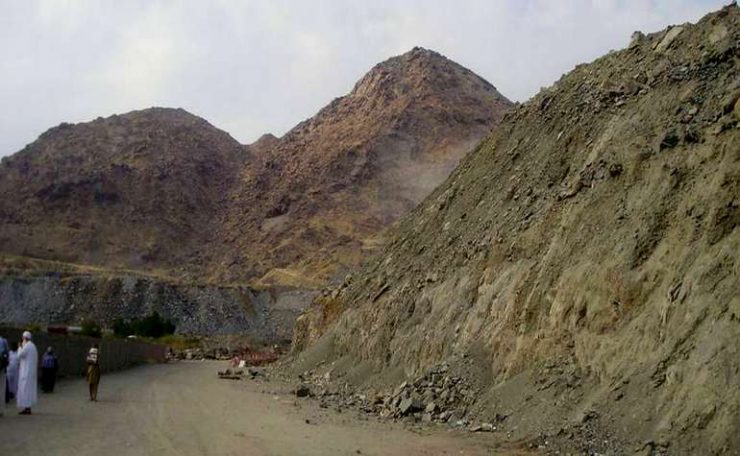
Explore Mount Thawr in Mecca, Saudi Arabia, a historic site where Prophet Muhammad and Abu Bakr sought refuge during the Hijrah. Discover its deep spiritual significance.
<h2>Overview</h2><p>Mount Thawr, known in Arabic as Jabal Thawr, is a significant mountain located in Mecca, Saudi Arabia. It rises approximately 750 to 760 meters above sea level, making it a prominent feature in the rugged Hejaz Mountain range south of the city. Situated about 4 to 12 kilometers south of Masjid al-Haram, Mount Thawr is not just a geological formation but a site steeped in early Islamic history. Its primary claim to fame is housing the Cave of Thawr, or Ghar Thawr, which played a crucial role during the Prophet Muhammad's migration (Hijrah) from Mecca to Medina. Today, it stands as a revered pilgrimage destination, drawing visitors who seek to connect with this pivotal moment in Islamic faith.</p><h2>History & Cultural Background</h2><p>The historical significance of Mount Thawr is deeply intertwined with the Hijrah, a monumental event that marked the beginning of the Islamic calendar. In 622 CE, facing intense persecution from the Quraysh tribe in Mecca, Prophet Muhammad (peace be upon him) and his closest companion, Abu Bakr al-Siddiq, were commanded by Allah to migrate to Medina. As the Quraysh plotted against them, Prophet Muhammad and Abu Bakr sought refuge in the Cave of Thawr. They remained hidden there for three days and three nights, escaping the relentless pursuit of their enemies. This period of concealment is a powerful testament to faith and divine protection, forming an essential stage in the Prophet's journey to establish the Muslim community in Medina.</p><h2>What Makes It Special</h2><p>What makes Mount Thawr truly special is the miraculous events associated with the time Prophet Muhammad and Abu Bakr spent in the Cave of Thawr. During their concealment, Allah protected them in extraordinary ways. It is widely believed that a spider spun a web across the cave's entrance, and pigeons nested and laid eggs near the opening. When the Quraysh search parties arrived at the cave, seeing the intact web and nest, they concluded that no one could have entered, thus diverting their search. This divine intervention not only saved the Prophet and Abu Bakr but also symbolizes the unwavering trust in Allah's protection during times of adversity. The cave itself is a humble hollow in the rock, physically small, yet it holds immense spiritual magnitude, representing a profound lesson in resilience and reliance on God (Tawakkul).</p><h2>Stories, Fun Facts & Local Details</h2><p>The story of the Cave of Thawr is rich with details that highlight the loyalty and courage of Abu Bakr. Upon reaching the cave, Abu Bakr reportedly entered first to clear it of any potential dangers, even blocking holes with pieces of his clothing. While the Prophet rested with his head in Abu Bakr's lap, a snake bit Abu Bakr from a hole he had missed. He endured the pain silently to avoid disturbing the Prophet's sleep, demonstrating immense devotion. During their three-day stay, Abu Bakr's son, Abdullah, would gather intelligence on the Quraysh in Mecca during the day and relay it to them at night. His slave, Amir Bin Fuhayra, would graze his goats near the cave, providing fresh milk. This intricate network of support and divine aid makes the narrative a cornerstone of Islamic history and a source of inspiration for millions. The cave itself measures approximately 1.25 meters in height, 3.5 meters in length, and 3.5 meters in width, with two openings.</p><h2>Visitor Perspective</h2><p>Visiting Mount Thawr offers a unique spiritual and physical experience for pilgrims and travelers alike. The climb to the summit, which takes about 1.5 to 2 hours depending on physical fitness, can be challenging due to its rocky and steep slopes. However, reaching the top rewards visitors with breathtaking panoramic views of Mecca and the surrounding landscape. Pilgrims often describe the experience as humbling, standing where such a pivotal moment in Islamic history unfolded. It's an opportunity to reflect on the Prophet's strength, Abu Bakr's devotion, and Allah's mercy. While the entrance to the cave may have been widened over centuries, the essence of standing in a place of such profound significance remains. Many find a sense of peace and reflection, making it a powerful reminder of faith and perseverance.</p>
Location
Coordinates: 39.85083, 21.3775
View on Google Maps