Montmartre Vineyard
Paris, France

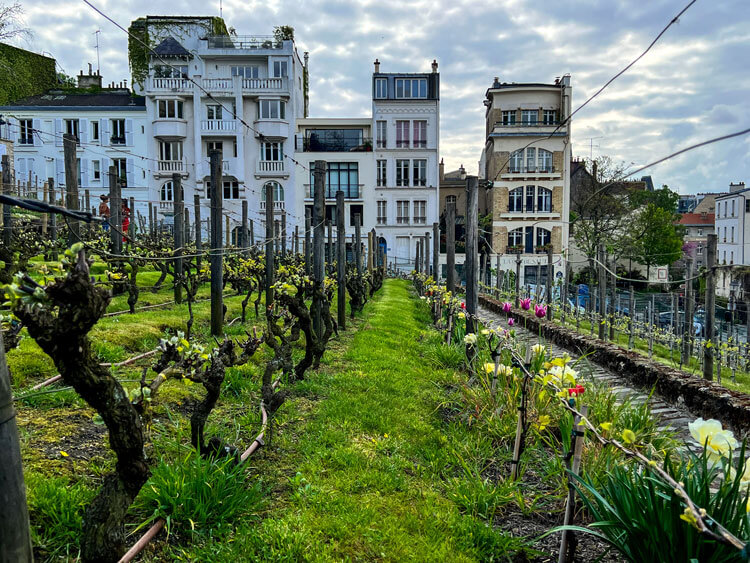
Discover the Montmartre Vineyard (Clos Montmartre) in Paris, France—the city's last active vineyard. Explore its rich history, cultural significance, and the annual harvest festival.
<h2>Overview</h2><p>Tucked away on the iconic Butte Montmartre in Paris, France, lies a truly unique urban oasis: the Montmartre Vineyard, officially known as Clos Montmartre. This charming parcel of vines is far more than just a vineyard; it is a living piece of history, a symbol of Parisian resilience, and the last active vineyard within the city limits. Covering a modest area, it perpetuates centuries of winemaking tradition in a district renowned for its artistic spirit and bohemian past. Visitors to Montmartre often marvel at its unexpected presence, a vibrant green space offering a glimpse into the agricultural heritage that once defined this famous hill.</p><p>While its annual production is small, yielding around 1,000 to 1,700 bottles, the purpose of Clos Montmartre extends beyond commercial viticulture. It is primarily dedicated to preserving a cultural legacy, fostering community spirit, and supporting charitable endeavors within the 18th arrondissement. Its mere existence in the heart of a bustling metropolis makes it a captivating curiosity for anyone exploring the hidden gems of Paris.</p><h2>History & Cultural Background</h2><p>The history of winemaking on Montmartre dates back much further than its current form, with viticulture attested as early as 944 AD. In the 12th century, the nuns of the Benedictine Abbey of Montmartre cultivated vines on the hill, and wine production was a significant source of income. Montmartre remained outside Paris city limits until 1860, meaning wine produced here avoided city tariffs, making it more affordable for locals and contributing to the area's lively 'guinguette' (makeshift restaurant and cabaret) culture.</p><p>However, by the early 20th century, urban expansion, property speculation, and the devastation of phylloxera had led to the near disappearance of Montmartre's vineyards. The current Clos Montmartre was born from a passionate campaign in the late 1920s and early 1930s. Led by caricaturist Francisque Poulbot, known for his illustrations of Parisian street urchins ('Poulbots'), and other local artists and residents, a committee successfully fought against developers who planned to build on the last remaining plot of land. The vineyard was strategically planted in 1933, as French law prohibited construction on vineyards, thus safeguarding this precious green space for future generations. The first harvest of the revived vineyard took place in 1934.</p><h2>What Makes It Special</h2><p>What truly sets Clos Montmartre apart is its exceptional status as Paris's sole working vineyard. It stands as a testament to a collective effort to preserve history and nature against the relentless march of urbanization. The vineyard is not merely an agricultural site; it is a cultural landmark, deeply intertwined with the artistic and independent spirit of Montmartre. It's a place where tradition meets defiance, reminding visitors of a bygone era when Montmartre was a rural village brimming with vineyards and windmills.</p><p>Furthermore, the wine produced here, while sometimes jokingly referred to as the 'most expensive poor quality wine' due to its price and symbolic nature, holds immense value beyond its taste. All proceeds from the auction of the approximately 1,500 bottles annually are dedicated to funding social projects within the 18th arrondissement, supporting children and the elderly. This charitable aspect imbues the vineyard with a profound sense of community and purpose, making every bottle a contribution to the local fabric.</p><h2>Stories, Fun Facts & Local Details</h2><p>The Clos Montmartre grows a diverse range of grape varieties, including Pinot Noir and Gamay, alongside some unique disease-resistant hybrids. The grapes are hand-harvested by volunteers and then pressed and stored in the cellar of the local town hall. The most famous event associated with the vineyard is the annual Fête des Vendanges de Montmartre (Grape Harvest Festival), a vibrant celebration held every October. This multi-day festival attracts hundreds of thousands of visitors with parades, street performances, art exhibitions, food stalls, and of course, wine tastings.</p><p>Each year, the vintage is named differently, and the festival includes lively ceremonies. The very first vintage in 1934 was notably sponsored by the famous French entertainers Mistinguett and Fernandel. The bottles, often adorned with labels designed by local artists, become coveted collector's items. The vineyard's small size, just 1,500 square meters, further adds to its charm, making it a powerful symbol of nature persisting in an urban environment.</p><h2>Visitor Perspective</h2><p>While the Clos Montmartre is generally closed to the public, its presence can be appreciated from the outside, particularly from the surrounding streets like Rue des Saules and Rue Saint-Vincent. For those eager to delve deeper, there are occasional opportunities for guided tours. The Musée de Montmartre offers tours of the vineyard, sometimes including a wine tasting, providing a deeper understanding of its history and significance. The most accessible time to experience the vineyard up close is during the Fête des Vendanges in October, when limited, often free, guided tours are available, though spaces are highly sought after.</p><p>Even without direct access, the vineyard contributes to the unique atmosphere of Montmartre. Its green rows stand in stark contrast to the surrounding Parisian architecture, inviting contemplation about the area's past. Nearby attractions include the Musée de Montmartre, the iconic Sacré-Cœur Basilica, and the bustling Place du Tertre, making a visit to the vineyard's exterior a perfect complement to exploring this historic Parisian district.</p>
Location
Coordinates: 2.340607, 48.887691
View on Google Maps