Man Mo Temple
Hong Kong, China

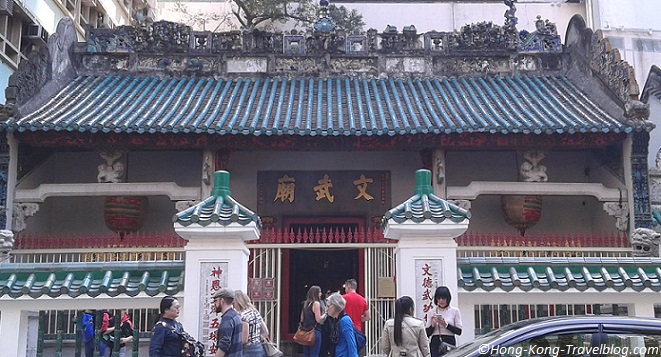
Discover Man Mo Temple in Hong Kong, China: an ancient Grade I historic temple dedicated to the Gods of Literature and Martial Arts.
<h2>Overview</h2><p>Tucked amidst the vibrant modern cityscape of Hong Kong, the Man Mo Temple stands as a tranquil and deeply spiritual testament to the city's rich cultural heritage. Located on Hollywood Road in the Sheung Wan district of Hong Kong Island, this revered sanctuary is one of Hong Kong's oldest and most significant temples. Built between 1847 and 1862, it is a declared monument and a Grade I historic building, preserving traditional Chinese architecture and Taoist practices. The temple complex is primarily dedicated to two principal deities: Man Cheong, the God of Literature, and Mo Tai (also known as Kwan Tai), the God of Martial Arts. Beyond the main temple, the compound also includes Lit Shing Kung, dedicated to all heavenly gods, and Kung Sor, which historically served as a community assembly hall. Visitors are welcome daily from 8:00 AM to 6:00 PM, with free admission, offering an accessible glimpse into a profound cultural landscape.</p><h2>History & Cultural Background</h2><p>The Man Mo Temple was constructed during the early British colonial period by affluent Chinese merchants. In a rapidly modernizing Hong Kong, the temple emerged not only as a spiritual center but also as a crucial community hub. During the 19th and early 20th centuries, it served an indispensable role as a court of arbitration where local disputes were settled, often when the Chinese community felt British law did not adequately address their concerns. Oaths taken within the temple were once recognized by the colonial government, underscoring its significant societal influence. Since 1908, the temple's management has been formally entrusted to the Tung Wah Group of Hospitals, a local charitable organization, through the enactment of the Man Mo Temple Ordinance. This enduring legacy highlights the temple's paramount historical and social value, representing the traditional social organization and religious practices of the Chinese community in old Hong Kong.</p><h2>What Makes It Special</h2><p>The Man Mo Temple is a fine example of traditional Qing Dynasty architecture, featuring a green tiled roof, vibrant red columns, intricate granite carvings, wooden plaques, and detailed ceramic figurines and murals. Inside, one of its most striking and atmospheric features is the array of large, bell-shaped spiral incense coils that hang from the ceiling. These coils, some several feet wide, burn slowly for weeks, filling the air with a distinctive, fragrant smoke. This creates a mesmerizing, mystical ambiance that visitors often describe as ethereal, symbolizing prayers rising to the heavens. The temple also houses intricately carved wooden sedan chairs, some dating back to the 19th century, which were historically used to carry the deities' statues during festive parades. The spiritual atmosphere, combined with the active worship, offers a serene and authentic cultural experience, making it a unique sanctuary amidst Hong Kong's urban hustle.</p><h2>Stories, Fun Facts & Local Details</h2><p>For centuries, the Man Mo Temple has been a vital center for prayer, particularly for academic success and career advancement. Students and scholars frequently visit, especially during exam seasons, to seek blessings from Man Cheong, the God of Literature, hoping for good results. You might notice small red tags attached to the burning incense coils; these bear the names of worshippers who have offered the incense, dedicating their prayers to the gods. Another fascinating tradition observed here is 'Kau Cim,' a form of fortune-telling where devotees shake a tube of numbered bamboo sticks until one falls out. This stick is then interpreted using a fortune stick prediction book to provide divine guidance. Historically, the temple also played a role in dispute resolution where, in extreme cases, a chicken might be sacrificed and a curse or punishment written in the temple, with the belief that the gods would enforce the judgment. The temple's cultural significance extends even to popular culture, having been featured in the video game 'Shenmue II'.</p><h2>Visitor Perspective</h2><p>Visiting the Man Mo Temple offers a profound dive into Hong Kong's spiritual heart. The temple is conveniently located on Hollywood Road, easily accessible via public transport, including a short walk from Sheung Wan MTR Station (Exit A2) or the Central-Mid-Levels Escalator. Its proximity to other cultural attractions like the antique markets of Cat Street and PMQ makes it an ideal stop on a wider exploration of Sheung Wan. To experience the temple's tranquility most fully and avoid larger crowds, particularly tour groups, visiting in the morning hours is recommended. While the smoky, incense-laden atmosphere contributes significantly to the mystical ambiance, visitors with respiratory sensitivities should be aware it can be quite intense. When inside, it's important to maintain a respectful demeanor, keep voices low, and dress modestly to honor the sacred space and those engaged in worship. Observing the rituals of lighting incense, making offerings, or even partaking in a fortune-telling session can provide a deeper connection to Chinese traditions.</p>
Location
Coordinates: 114.1528, 22.2848
View on Google Maps