Latin Quarter
Paris, France

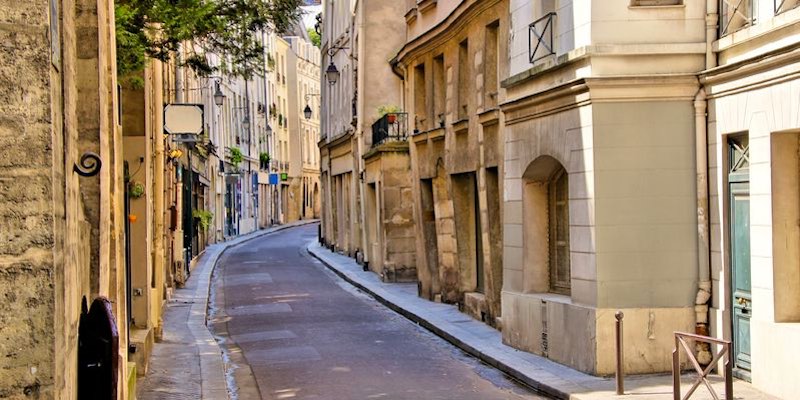
Explore Paris' historic Latin Quarter, an intellectual hub on the Left Bank. Discover the Sorbonne, Panthéon, and charming streets. A blend of academic life and bohemian spirit.
<h2>Overview</h2><p>Nestled on the Left Bank of the Seine River, the Latin Quarter of Paris, France, is a district brimming with history, intellectual fervor, and an unmistakable bohemian charm. Spanning much of the 5th arrondissement and part of the 6th, it's an area where ancient streets wind alongside grand boulevards, creating a vibrant tapestry of past and present. Known affectionately as the 'Quartier Latin' by locals, it offers a distinctive Parisian experience, a departure from the wide, Haussmann-era avenues that characterize much of the city.</p><p>This iconic neighborhood remains a focal point for academic life, cultural exploration, and lively social interaction. It draws visitors and students alike with its picturesque squares, historic landmarks, bustling bookstores, and inviting cafes that spill onto pavements. The Latin Quarter's enduring appeal lies in its unique ability to blend scholarly pursuits with an artistic, free-spirited atmosphere, making it a truly captivating destination in the heart of the French capital.</p><h2>History & Cultural Background</h2><p>The name 'Latin Quarter' itself is a direct echo of its profound historical roots. During the Middle Ages, students and scholars of the prestigious Sorbonne University, established in the 13th century, spoke and studied exclusively in Latin. This common tongue permeated the entire district, solidifying its reputation as a hub of learning and intellectual debate.</p><p>Before its academic renown, the area held significance as the Roman city of Lutetia, with vestiges like the Roman-Gallo baths still visible today within the Musée de Cluny. Over centuries, the Latin Quarter became a crucible for significant philosophical and political movements, including the Renaissance and the Enlightenment. It served as a gathering place for revolutionaries and thinkers during the French Revolution, advocating for liberty, equality, and fraternity. In the 19th and early 20th centuries, it also fostered the existentialist literary movement, further cementing its legacy as a bastion of progressive thought and artistic expression.</p><h2>What Makes It Special</h2><p>The Latin Quarter distinguishes itself through its remarkable preservation of history and its dynamic, youthful energy. Unlike many Parisian districts transformed by Baron Haussmann's 19th-century renovations, large parts of the Latin Quarter retained their medieval charm, characterized by narrow, winding cobblestone streets and ancient architecture.</p><p>At its heart lies the Sorbonne University, one of Europe's oldest and most influential academic institutions, which continues to infuse the area with an intellectual buzz. Iconic landmarks such as the Panthéon, a neoclassical masterpiece housing the remains of France's revered figures, and the Musée de Cluny—National Museum of the Middle Ages, with its impressive collection and Roman baths, offer deep dives into French heritage. The district's unique character is further enhanced by its vibrant café culture, independent bookstores like Shakespeare & Company, and lush green spaces such as the Jardin des Plantes, Paris's main botanical garden. This blend of historical grandeur, academic pursuit, and artistic flair creates an atmosphere unlike anywhere else in Paris.</p><h2>Stories, Fun Facts & Local Details</h2><ul><li><strong>Hemingway's Haunts:</strong> The Latin Quarter held a special place for Ernest Hemingway, who frequented its streets and cafes. He lived just north of Rue Mouffetard and even rented a room on Rue Descartes, believing it was once occupied by the poet Verlaine.</li><li><strong>The Oldest Tree in Paris:</strong> In Square René Viviani, a serene public garden near the church of Saint-Julien-le-Pauvre, you can find what is purportedly the oldest tree in Paris, a robinia planted around 1601. This tranquil spot also offers picturesque views of Notre-Dame Cathedral.</li><li><strong>Rue Mouffetard's Ancient Past:</strong> Rue Mouffetard, a lively pedestrian street, dates back to Roman times and remains one of Paris's oldest market streets. Its unrenovated architecture provides a rare glimpse into medieval Paris.</li><li><strong>Marie Curie at the Panthéon:</strong> The Panthéon, initially built as a church, became a national mausoleum. Among the many illustrious men interred there, Marie Curie is the only woman recognized for her own achievements to be honored with a burial within its grand walls.</li><li><strong>Roman Relics and Medieval Art:</strong> The Musée de Cluny is built atop Roman-Gallo baths dating back to the 3rd century. Beyond its architectural significance, it houses remarkable medieval treasures, including the iconic 'Lady and the Unicorn' tapestry series.</li></ul><h2>Visitor Perspective</h2><p>For the curious traveler, the Latin Quarter is an invitation to slow down and explore. Its labyrinthine alleys and unexpected squares are best discovered on foot, offering countless opportunities for serendipitous encounters with history and local life. Comfortable shoes are a must for navigating the charming, often uneven, cobblestone pathways.</p><p>Visitors can immerse themselves in the intellectual atmosphere by browsing countless bookstores or engaging in discussions at historic cafes. The district's vibrant nightlife, fueled by its student population, offers an array of bars, restaurants, and cultural venues, from jazz clubs to historic theaters. Whether you seek profound historical insights, a taste of Parisian bohemian culture, or simply a lively evening out, the Latin Quarter provides a rich and authentic experience, echoing centuries of intellectual and artistic life while remaining refreshingly contemporary.</p>
Location
Coordinates: 2.3522, 48.8567
View on Google Maps