Iguana Habitat
Cancún, Mexico

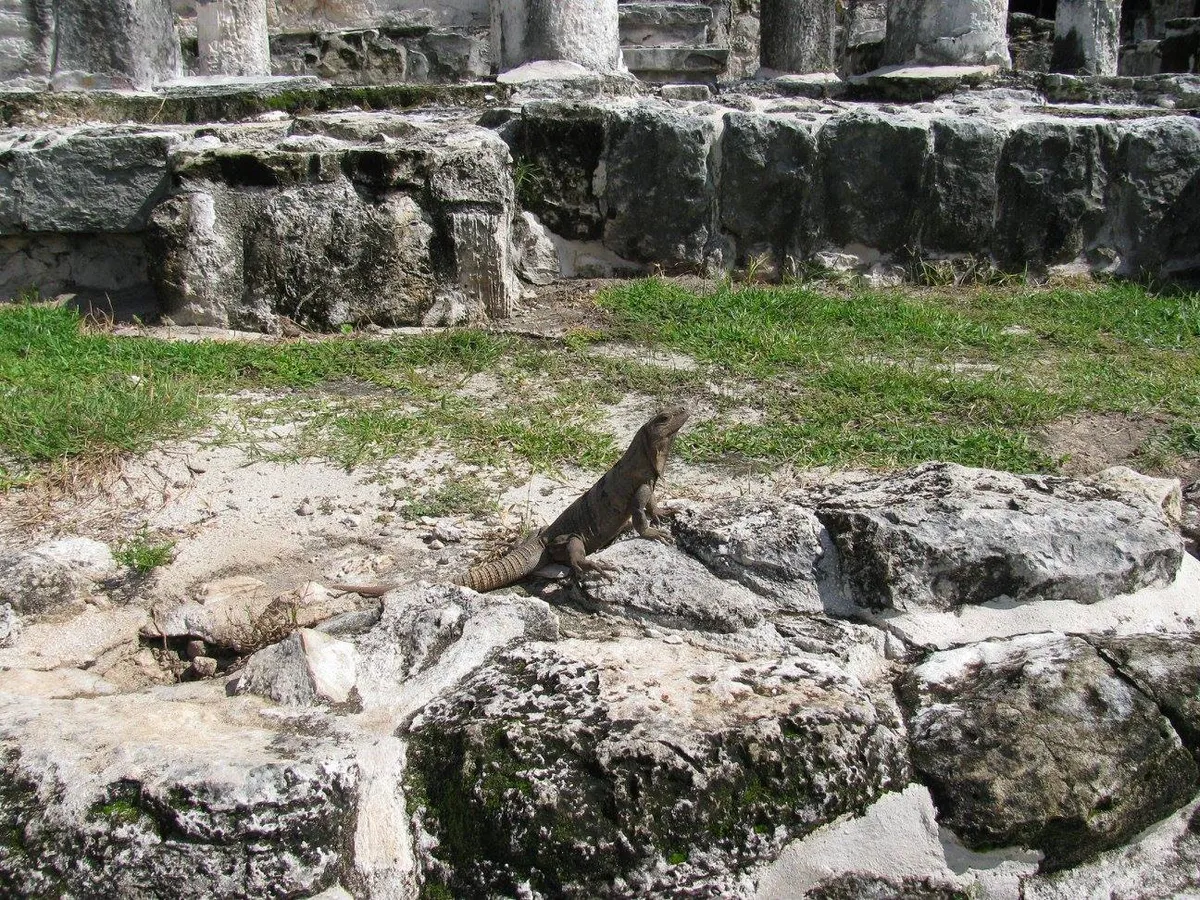
Discover the ancient Mayan world and a vibrant Iguana Habitat at El Rey Ruins in Cancún, Mexico. Uncover history and unique wildlife.
<h2>Overview</h2><p>Tucked away amidst the vibrant energy of Cancún’s Hotel Zone, the El Rey Ruins offer a captivating glimpse into the ancient Mayan world, made even more enchanting by its unique ‘Iguana Habitat.’ This archaeological site, officially known as Zona Arqueológica El Rey, provides a serene escape from the bustling beaches and resorts. While not as vast as some of the Yucatán’s more famous Mayan cities, El Rey holds its own with a rich history and a surprisingly lively population of iguanas that have made these ancient structures their home. Visitors can wander among the weathered stone remnants, imagining a bygone era, all while sharing the space with hundreds of these fascinating reptiles. It’s a harmonious blend of cultural heritage and natural wildlife, offering a distinctive and intimate experience for those curious about both Mayan civilization and Mexico’s native fauna.</p><h2>History & Cultural Background</h2><p>The origins of El Rey trace back to the early classical period, possibly as early as 300 AD, when it likely began as a fishing village. However, the site truly flourished during the Late Postclassic period, between approximately 1200 and 1500 AD, when it evolved into an important Mayan port and trading center. Its strategic location on Cancún Island, with access to both the Nichupté Lagoon and the Caribbean Sea, made it a vital link in the coastal commercial network, connecting with other significant Mayan communities like Xel Ha, Tulum, and Xaman Ha (modern-day Playa del Carmen).</p><p>The site derives its current name, 'El Rey' (Spanish for ‘The King’), from a significant anthropomorphic stone sculpture discovered there in the early 20th century, believed to depict a Mayan noble or ruler. This statue, a testament to the site’s past importance, is now preserved and displayed at the nearby Mayan Museum of Cancún. El Rey features 47 structures, including small temples, ceremonial platforms, and residential buildings, showcasing the 'East Coast Style' of Mayan architecture. The community was ultimately abandoned after the Spanish conquest in the 16th century, when the traditional Mayan trade routes dissolved and populations moved inland.</p><h2>What Makes It Special</h2><p>The most distinctive feature of El Rey, and what truly sets it apart, is its thriving ‘Iguana Habitat.’ These ancient ruins have become a sanctuary for hundreds of iguanas, transforming the historical site into a vibrant ecological preserve. As you explore the weathered stones and pathways, you’ll encounter these reptiles basking in the sun, perched atop crumbling walls, and darting amongst the foliage. Their ubiquitous presence adds an unexpected layer of life and intrigue to the archaeological landscape, providing a constant, living connection to the natural world. It’s a remarkable example of how nature reclaims and coexists with human history.</p><p>Beyond the iguanas, El Rey offers a more intimate and less crowded experience compared to grander Mayan sites. Here, visitors can often explore at their own pace, absorbing the tranquility of the ancient city without the throngs of tourists. The ability to climb some of the smaller structures provides a more immersive connection to the Mayan past, a privilege not always afforded at larger, more protected sites. The picturesque setting, with ancient stone against the backdrop of Cancún's tropical greenery, also makes it a favored spot for photography enthusiasts.</p><h2>Stories, Fun Facts & Local Details</h2><p>The iguanas of El Rey are predominantly Black Spiny-tailed Iguanas, known for their prehistoric appearance and impressive agility. These fascinating creatures are not only adept at navigating the rugged terrain of the ruins but are also surprisingly good swimmers and can jump considerable distances. While they appear quite tame due to frequent human interaction, it’s important to remember they are wild animals, and visitors are advised not to feed, pet, or disturb them. Signs at the entrance often reinforce this, ensuring the welfare of these unique residents. Their natural camouflage helps them blend seamlessly with the stone structures, making a game out of spotting them a fun activity for all ages. Locals sometimes refer to them as the ‘guardians’ of the ruins, a playful nod to their ever-present watch over the ancient site.</p><h2>Visitor Perspective</h2><p>Visiting El Rey Ruins is typically a relaxed and enjoyable experience, often taking about an hour to explore thoroughly. It’s easily accessible from anywhere in the Cancún Hotel Zone by public bus or taxi, making it a convenient excursion for a half-day trip. The paths within the site are generally flat and well-marked, but comfortable walking shoes are recommended, as are sun protection essentials like hats, sunglasses, and plenty of water, as shade is limited. Informational plaques throughout the site offer valuable historical context, guiding visitors through the various structures and their significance. The relatively low entrance fee also makes El Rey an affordable cultural activity. It’s an ideal spot for those seeking a quiet encounter with Mayan history and an unforgettable interaction with its charming reptilian inhabitants, offering a memorable contrast to Cancún’s modern allure.</p>
Location
Coordinates: -86.7725, 21.0772
View on Google Maps