Hijazi Architecture Hall
Mecca, Saudi Arabia

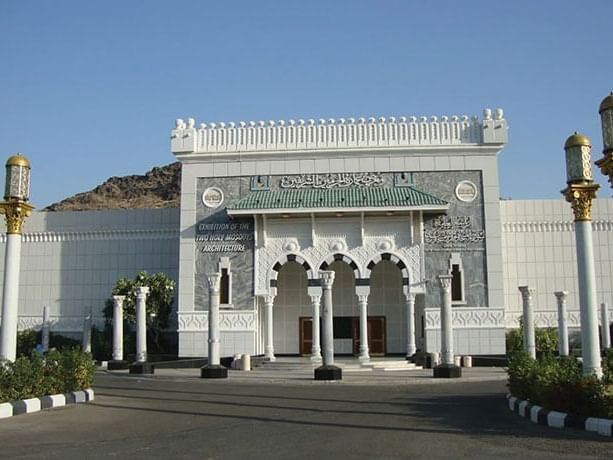
Explore the Hijazi Architecture Hall at Makkah Museum, Mecca, Saudi Arabia, showcasing traditional designs and cultural heritage.
<h2>Overview</h2><p>Deep within the revered Makkah Museum, itself a treasure housed in the stately Al Zaher Palace, lies the captivating Hijazi Architecture Hall. This dedicated space offers a unique window into the traditional architectural styles that have defined the homes and public buildings of the historic Hejaz region, particularly Mecca, for centuries. It's not just an exhibit; it's an immersive journey into the intricate design and profound cultural significance of a style that responded both to the harsh desert climate and the spiritual traditions of its people.</p><p>The Makkah Museum, once a royal residence, serves as a comprehensive repository of the city's rich history and Islamic heritage. Within its walls, the Hijazi Architecture Hall stands out as a tribute to the craftsmanship and ingenuity of old Meccan builders. Visitors can expect to discover the defining elements that made Hijazi architecture both functional and beautiful, reflecting a deep understanding of local materials and environmental needs.</p><h2>History & Cultural Background</h2><p>Hijazi architecture is deeply rooted in the traditions of the Hejaz region, which encompasses the holy cities of Mecca and Medina. Its evolution was a direct response to the region's unique environmental, societal, and cultural aspects, particularly during the early Islamic period. This architectural style is a living testament to the history and culture of Islam, blending form, function, and cultural significance.</p><p>Key to this style is the use of local materials such as stone, clay, and wood, which were readily available and perfectly suited for the desert climate. These materials ensured durability and sustainability, while structures were often characterized by their simplicity and elegance. Whitewashed walls, adorned with intricate geometric patterns and calligraphy, are common features. The influx of pilgrims and merchants over centuries also influenced Meccan architecture, enriching its heritage with diverse styles.</p><h2>What Makes It Special</h2><p>The Hijazi Architecture Hall is special because it brings to life the distinctive features of this regional style through tangible displays. Here, you'll encounter authentic representations of ornate wooden lattice windows, known as 'rawashin' or 'mashrabiyas,' and coral stone facades. These elements are not merely decorative; they are ingeniously designed architectural solutions. For instance, 'rawashin' were crafted to allow natural ventilation and light refraction while maintaining privacy, a crucial aspect of Islamic traditions.</p><p>The hall showcases decorative plasterwork that highlights the meticulous craftsmanship of past generations. Visitors can walk through life-sized models of historical doorways and balconies, gaining a tactile understanding of these traditional structures. Multimedia presentations within the hall further illuminate the construction techniques and the historical context behind these architectural marvels, offering a dynamic and educational experience.</p><h2>Stories, Fun Facts & Local Details</h2><p>One fascinating aspect of Hijazi architecture, often highlighted in such halls, is the dual purpose of features like the 'rawashin.' These enclosed wooden balconies were not only beautiful additions to a building's facade but also allowed residents, particularly women, to observe street life discreetly without being seen themselves, thus preserving privacy in line with local customs.</p><p>Another integral design element was the internal courtyard, acting as a climatic softener and providing the highest degree of privacy. These courtyards, often featuring water basins or fountains, helped to cool the interiors of homes in the scorching heat. Furthermore, the use of wind towers, or 'barjeels', was common to capture breezes and channel them into living spaces, creating a natural cooling effect long before modern air conditioning. These details underscore a deep-seated wisdom in traditional design, where every element served multiple practical and cultural functions.</p><h2>Visitor Perspective</h2><p>Stepping into the Hijazi Architecture Hall is like taking a stroll through historical Mecca. For curious travelers, it offers more than just a visual display; it provides a profound connection to the cultural identity and historical ingenuity of the region. You'll leave with a deeper appreciation for how architecture can be a reflection of faith, tradition, and environmental adaptation. The exhibits encourage visitors to ponder the timeless beauty and practical brilliance embedded in designs that have stood for centuries. It's an opportunity to understand the very fabric of Meccan life from a bygone era, fostering a sense of wonder and respect for its enduring heritage. The interactive elements, such as walking through models and watching presentations, make the experience engaging for all ages.</p>
Location
Coordinates: 39.826168, 21.42251
View on Google Maps