Glory Façade
Barcelona, Spain
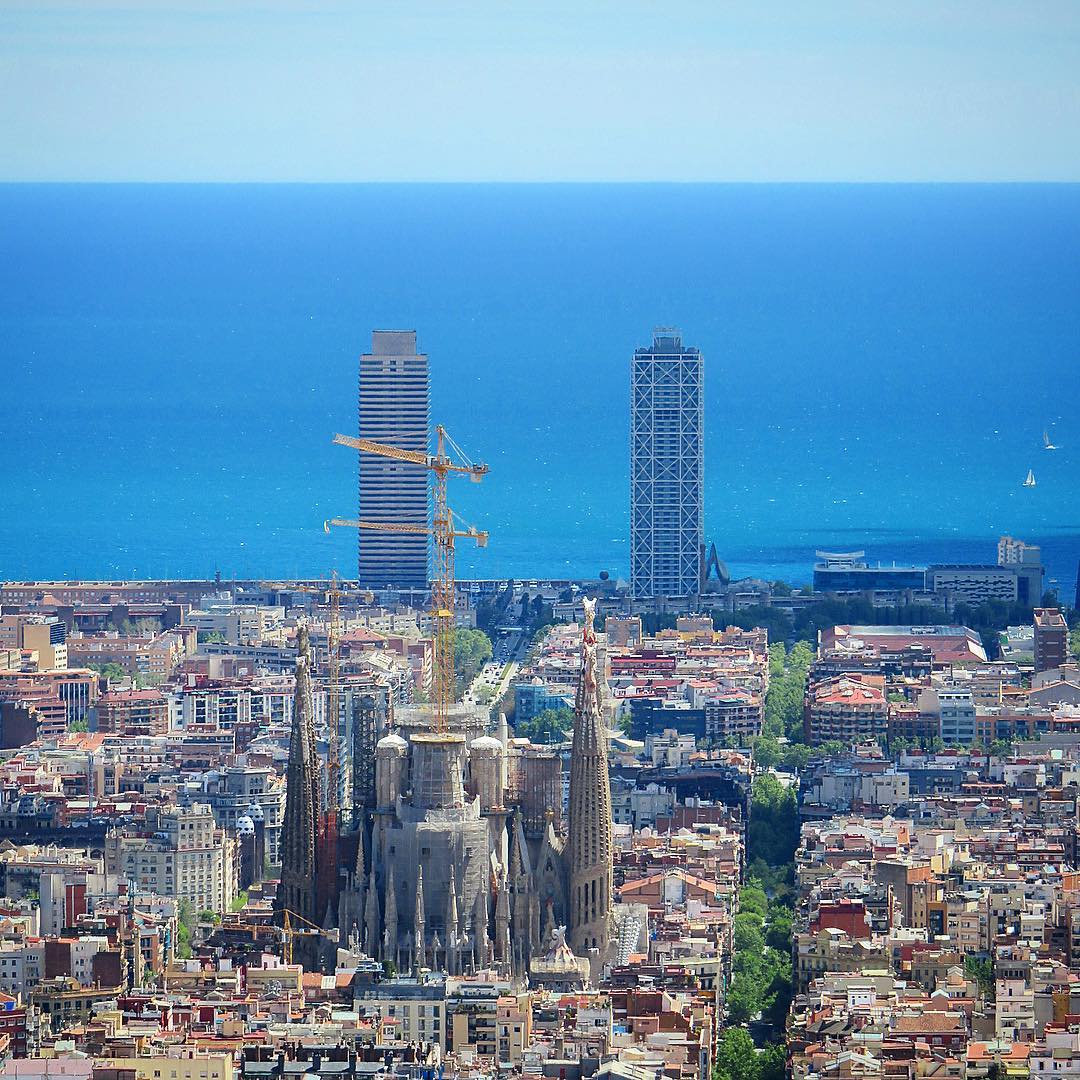
Explore Barcelona's Sagrada Família, focusing on the Glory Façade. Discover its history, profound symbolism, and ongoing construction.
<h2>Overview</h2><p>The Glory Façade is poised to become the most monumental and spiritually profound entrance to Antoni Gaudí's iconic Sagrada Família in Barcelona, Spain. As one of three grand façades, it is dedicated to the Celestial Glory of Jesus and will serve as the basilica's main access point, symbolizing humanity's ultimate journey towards God. Unlike the Nativity Façade (depicting Christ's birth) and the Passion Façade (representing his suffering), the Glory Façade envisions the afterlife, focusing on themes of death, the Last Judgment, and eternal glory. Its design is a theological climax, addressing resurrection, judgment, and the path to eternal life.</p><p>Currently under construction, the Glory Façade is the last major structural phase of the Sagrada Família. While still incomplete, its rising columns and initial structural elements already hint at the immense scale and intricate symbolism Gaudí envisioned.</p><h2>History & Cultural Background</h2><p>Antoni Gaudí, the visionary architect behind the Sagrada Família, initiated the design for the Glory Façade around 1914. However, recognizing he would not live to see its completion, he left behind only sketches and a plaster model. These original fragments were crucial for subsequent architects and sculptors to continue his monumental vision after his death in 1926. Construction on this particular façade began much later than the others, specifically in 2002.</p><p>The façade is situated on the south side of the basilica, facing Carrer de Mallorca, a strategic orientation chosen by Gaudí. It is designed to tell the story of humanity's history from Adam and Eve through the Last Judgment, incorporating Jesus' teachings on eternal life and glory. The ongoing work is a testament to Gaudí's foresight and the dedication to completing his masterpiece, with progress continuing based on his meticulous plans and models.</p><h2>What Makes It Special</h2><p>The Glory Façade is designed to be the principal entrance and a powerful narrative of spiritual progression. Its rich symbolism encompasses profound theological concepts, exploring the afterlife through depictions of hell, purgatory, and heaven. Visitors will encounter references to the Seven Deadly Sins at its base and the Seven Heavenly Virtues above, emphasizing the struggle between good and evil.</p><p>The façade will feature towering columns, intricate sculptures, and powerful biblical symbolism guiding visitors through a spiritual journey. The central bronze doors, crafted by Josep Maria Subirachs, are particularly notable, inscribed with the Lord's Prayer in multiple languages. On either side of the main entrance, two chapels are planned: the Chapel of Penitence and the Sacrament to the east, and the Baptistery Chapel to the west. Gaudí also envisioned an expansive grand staircase leading from the façade, extending across Carrer de Mallorca, symbolizing the ascent to heaven. This ambitious element, however, presents significant urban challenges, potentially requiring the demolition of existing buildings and sparking ongoing debate.</p><h2>Stories, Fun Facts & Local Details</h2><p>The construction of the Glory Façade exemplifies a blend of traditional Catalan building techniques and modern advancements like computer-aided design (CAD) and computer numerical control (CNC), which have significantly accelerated progress on the Sagrada Família. A fascinating aspect of its current development involves the commissioning of renowned artists Miquel Barceló, Cristina Iglesias, and Javier Marín to propose designs for the façade's artistic elements, indicating a collaborative and evolving creative process.</p><p>One of the most talked-about local details surrounding the Glory Façade is the proposed grand staircase. Gaudí's original plans included a 60-meter-long staircase that would cross Mallorca Street. This vision, if fully realized, would lead to the eviction of approximately 3,000 residents and the demolition of their homes, creating a complex and ongoing urban planning debate between the construction board, local authorities, and affected residents. Despite these challenges, the Sagrada Família management is confident that a solution will be found to complete Gaudí's full design. While the main basilica building is nearing completion, the Glory Façade is projected to require another decade of work, making it one of the last elements to be fully realized.</p><h2>Visitor Perspective</h2><p>For visitors to the Sagrada Família today, the Glory Façade offers a unique glimpse into a masterpiece in the making. While it is currently an active construction site, largely fenced off, you can still observe the initial structural elements and the sheer scale of the project from the sidewalk on Carrer de Mallorca. It provides a powerful sense of the basilica's future grandeur and the meticulous, long-term effort involved in bringing Gaudí's vision to life. Visitors currently enter the basilica through the Nativity Façade, but once completed, the Glory Façade will dramatically alter the visitor experience, becoming the main gateway to this spiritual marvel.</p>
Location
Coordinates: 2.17433, 41.40369
View on Google Maps