Ethnographic Hall
Antalya, Turkey

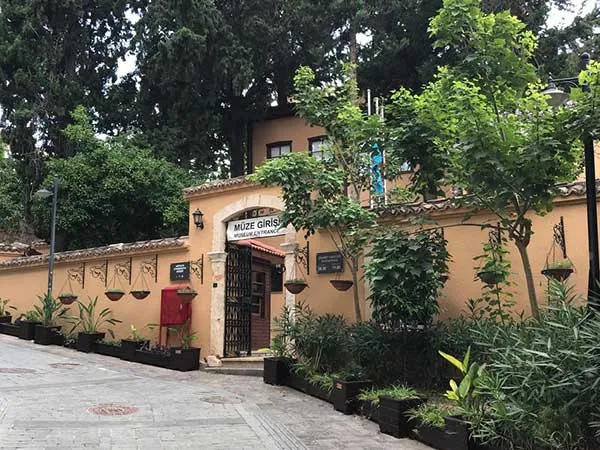
Explore the Ethnographic Hall inside Antalya Museum, Antalya, Turkey. Discover traditional Seljuk and Ottoman artifacts, clothing, and crafts.
<h2>Overview</h2><p>The Ethnographic Hall, nestled within the expansive Antalya Museum in Antalya, Turkey, offers a captivating journey into the rich cultural heritage of the region, specifically focusing on the Seljuk and Ottoman periods. As one of the many meticulously curated sections of this prestigious archaeological institution, the Ethnographic Hall provides a vivid portrayal of the traditional life, customs, and artistic expressions that have shaped Antalya and its surroundings over centuries. Visitors stepping into this hall are greeted with an intimate glimpse into the everyday existence of past generations, showcasing a range of artifacts that speak volumes about their ingenuity, spirituality, and aesthetic sensibilities. It stands as a testament to the enduring cultural identity of Anatolia, bridging the gap between ancient civilizations and the more recent history of the Turkish people.</p><h2>History & Cultural Background</h2><p>The Antalya Museum itself boasts a significant history, founded in 1922 to protect the region's invaluable archaeological treasures from plunder during the post-World War I era. Over time, it grew into one of Turkey's largest and most important museums, housing collections that span millennia. The Ethnographic Hall, as an integral part of this institution, was established to preserve and display the cultural legacy of the Seljuk and Ottoman empires, periods that profoundly influenced the social fabric, arts, and traditions of Antalya.</p><p>These periods saw the flourishing of distinct architectural styles, decorative arts, and daily practices. The Seljuks, who arrived in Anatolia in the 11th century, laid the groundwork for many cultural elements, which were then further developed and refined during the Ottoman era, beginning in the late 13th century. The exhibits within the Ethnographic Hall reflect this continuous cultural evolution, presenting objects that were central to domestic life, craftsmanship, and religious observance during these formative centuries. It's a journey through the evolution of Turkish culture in the Mediterranean-Central Asian region.</p><h2>What Makes It Special</h2><p>What sets the Ethnographic Hall apart is its ability to connect visitors with the tangible aspects of daily life from bygone eras. Unlike halls focusing solely on monumental art or grand historical narratives, this section highlights the human element through items people used, wore, and created in their homes and workshops. The collection includes exquisite examples of traditional clothing, offering insights into textile artistry and social status, alongside intricately woven carpets that tell stories through their patterns and colors.</p><p>Beyond textiles, the hall displays handcrafted works, such as ornate metalwork, ceramics, and wooden artifacts, demonstrating the skilled craftsmanship passed down through generations. These items are not just relics; they are windows into the soul of a culture, revealing the practical needs, artistic aspirations, and spiritual beliefs of the Seljuk and Ottoman peoples. The thematic presentation allows for a deeper understanding of how these objects functioned within their historical context, making the past feel intimately present.</p><h2>Stories, Fun Facts & Local Details</h2><p>Imagine the vibrant bazaars of Ottoman Antalya, bustling with merchants selling the very carpets and metalwork pieces now preserved in this hall. Each traditional garment on display might once have graced a special occasion, perhaps a wedding or a festive celebration, carrying with it tales of family and community. The intricate patterns on tiles and ceramics often held symbolic meanings, reflecting beliefs about prosperity, protection, or spiritual harmony. While specific 'fun facts' are rarely detailed for museum halls, the true joy lies in piecing together these small narratives. For instance, you might see a traditional coffee set and picture the social rituals surrounding its use, or admire a piece of calligraphy that served as a daily reminder of faith and beauty. The Ethnographic Hall invites visitors to engage their imagination, envisioning the lives of the people who created and used these remarkable objects.</p><h2>Visitor Perspective</h2><p>For the curious traveler, a visit to the Ethnographic Hall is an enriching experience that adds another layer to understanding Antalya beyond its ancient ruins. It provides a human scale to history, making the past more relatable and engaging. Walking through the exhibits, one can appreciate the dedication to preserving the cultural identity of the region. It's a peaceful space where the echoes of daily life from centuries ago can still be felt, offering a moment of reflection on the continuity of culture. This hall complements the museum's vast archaeological treasures by grounding the grand narratives of empires in the lived experiences of their people, offering a comprehensive and compelling picture of Antalya's multifaceted heritage. It's an essential stop for anyone wishing to delve deeper into the traditions and craftsmanship of Turkish-Islamic periods.</p>
Location
Coordinates: 30.6796556, 36.8860194
View on Google Maps