Dubai Desert Safari
Dubai, United Arab Emirates

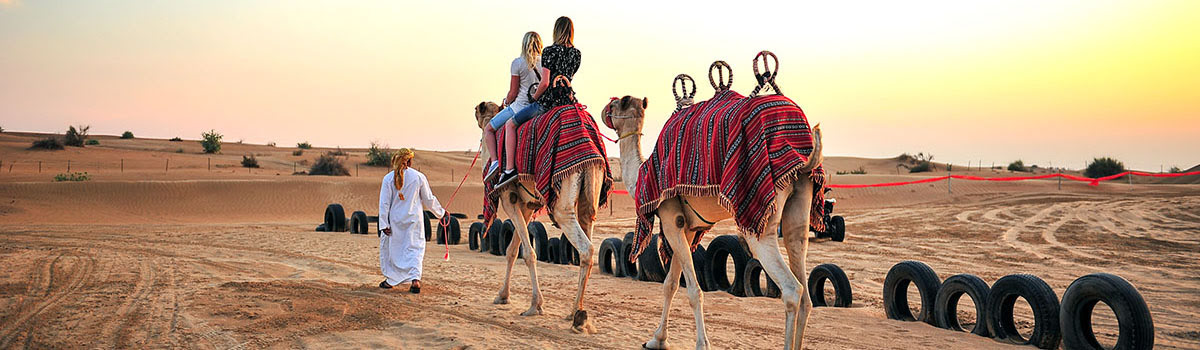
Discover the enchanting Dubai Desert Safari, a blend of thrilling dune adventures and rich Bedouin culture in the UAE. Experience camel rides, falconry, and traditional feasts under starlit skies.
<h2>Overview</h2><p>A Dubai Desert Safari offers a captivating escape from the city's modern bustle, inviting travelers to discover the timeless allure of the Arabian desert. This experience seamlessly blends thrilling adventures with rich cultural immersion, presenting a multifaceted journey into the heart of the United Arab Emirates' natural landscape and heritage. It's an iconic activity that consistently ranks among the top attractions for visitors, providing a unique contrast to Dubai's towering skyscrapers and urban sophistication. The safari promises not just excitement, but also a deep connection to the land that shaped Emirati identity.</p><h2>History & Cultural Background</h2><p>The story of Dubai Desert Safaris is intrinsically linked to the nomadic Bedouin tribes, the original inhabitants of the Arabian desert. For centuries, these resilient people navigated the vast, arid landscape, using camels as their primary mode of transport for survival, trade, and exploration. Their deep connection to the desert, their resourcefulness, and their strong sense of hospitality laid the foundation for the cultural elements celebrated in today's safaris. Organized desert safaris, as tourists know them today, began to emerge in the 1990s. As Dubai transformed into a global tourism hub, entrepreneurs recognized the appeal of sharing the desert's magic. Early tours were inspired by traditional Bedouin life, incorporating activities like 4x4 dune bashing, camel rides, and evenings in Bedouin-style camps, complete with Arabic coffee and dates. This evolution reflects a journey from a practical nomadic existence to a cherished cultural showcase, preserving the essence of Bedouin heritage within a modern adventure.</p><h2>What Makes It Special</h2><p>What truly sets a Dubai Desert Safari apart is its remarkable blend of adrenaline-pumping activities and profound cultural experiences. On the adventurous side, visitors can brace themselves for 'dune bashing,' an exhilarating ride in a 4x4 vehicle that traverses the steep, undulating sand dunes, offering a roller-coaster-like sensation. Other thrilling options often include sandboarding down sandy slopes and riding quad bikes across the desert terrain.</p><p>Beyond the thrills, the safari offers a window into Arabian culture. Traditional camel rides allow guests to experience the desert at a slower, more traditional pace, echoing the journeys of ancient Bedouins. Falconry demonstrations showcase a deeply rooted heritage, where these majestic birds of prey exhibit their hunting prowess, symbolizing skill and tradition. Evenings often culminate in Bedouin-style camps, featuring traditional entertainment such as belly dancing and the mesmerizing Tanoura dance, accompanied by delicious BBQ dinners.</p><p>A significant aspect of Dubai's desert experience is the Dubai Desert Conservation Reserve (DDCR). This vast protected area, the UAE's first national park, dedicates itself to preserving the region's unique ecosystem and endangered wildlife, such as the Arabian oryx and sand gazelles. Safaris within the DDCR often focus on eco-tourism and wildlife spotting, providing a more serene and educational encounter with the desert's natural beauty, contrasting with the high-octane adventure safaris. This duality—offering both intense adventure and peaceful, culturally rich experiences—makes the Dubai Desert Safari a truly special and memorable destination.</p><h2>Stories, Fun Facts & Local Details</h2><p>The desert holds countless stories, reflecting the resilience and ingenuity of the Bedouin people. For them, camels were not merely animals; they were 'the ships of the desert,' indispensable for transportation, sustenance (providing milk and meat), and even shelter, with camel hide used for tents and clothing. This deep reliance on camels highlights their central role in Bedouin survival and culture.</p><p>Falconry, another hallmark of Bedouin tradition, evolved from a necessity for hunting small game into a prestigious sport and cultural art form. Witnessing a falconry display offers a glimpse into this ancient practice, demonstrating the remarkable bond between handler and bird. Bedouin hospitality remains a cornerstone of Emirati culture. Guests are traditionally welcomed with 'gahwa' (Arabic coffee) and fresh dates, a gesture symbolizing warmth, generosity, and respect—values essential for survival in the harsh desert environment.</p><p>The Dubai Desert Conservation Reserve (DDCR) itself is a testament to modern conservation efforts. Established in 2002, it spans 225 square kilometers, approximately five percent of Dubai's total land area, making it the UAE's first national park. This protected sanctuary provides a safe haven for native desert flora and fauna, allowing visitors to observe wildlife like the elegant Arabian oryx and various species of gazelles and foxes in their natural habitat. The DDCR emphasizes a sustainable approach to tourism, ensuring the desert's ecological integrity is maintained for future generations.</p><h2>Visitor Perspective</h2><p>For the curious traveler, a Dubai Desert Safari presents a spectrum of experiences tailored to different preferences. Whether seeking the cool tranquility of dawn or the dramatic hues of sunset, options include morning, evening, and overnight safaris. Morning safaris are perfect for early risers, often featuring dune bashing and sandboarding before the desert heat intensifies. Evening safaris are particularly popular, combining adventure activities with a magical night under the stars, often including a traditional BBQ dinner, cultural performances, and stargazing. For a truly immersive experience, overnight safaris allow guests to sleep in Bedouin-style tents, waking to a serene desert sunrise.</p><p>Beyond the standard safari, specialized tours cater to specific interests. Those prioritizing wildlife and conservation might choose an experience within the Dubai Desert Conservation Reserve, where the focus shifts from high-speed thrills to gentle nature drives and observing the delicate desert ecosystem. Photography enthusiasts will find endless opportunities, from capturing the golden hour light on the dunes to the intricate patterns of henna art. The experience is often described as a dramatic escape from the urban landscape, offering a sense of peace and excitement. Professional guides ensure safety and provide insights into the desert's history and ecology, making each safari not just an adventure, but also an educational journey.</p>
Location
Coordinates: 55.2708, 25.2048
View on Google Maps