Children’s Section
Antalya, Turkey

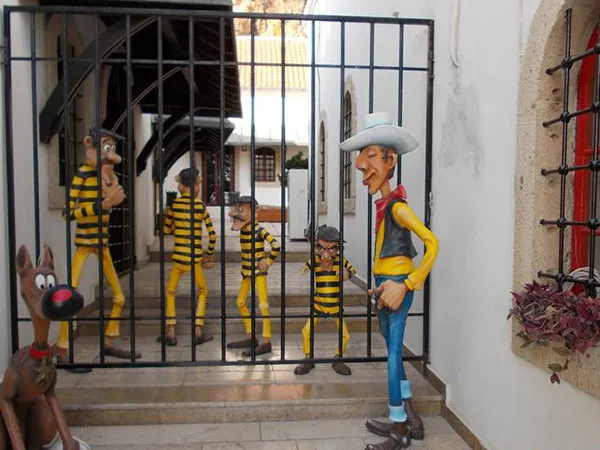
Discover the pioneering Children’s Section of the Antalya Museum in Antalya, Turkey, featuring antique toys and interactive exhibits for young explorers.
<h2>Overview</h2><p>Within the esteemed Antalya Museum in Antalya, Turkey, lies a captivating 'Children’s Section', a dedicated space designed to introduce younger visitors to the wonders of archaeology and history. Recognized as potentially the first of its kind in Turkey, this special hall serves as an engaging entry point into the rich cultural heritage of the Anatolian region. It stands as a testament to the museum's commitment to education across all age groups, transforming complex historical narratives into accessible, interactive experiences for curious minds.</p><p>This thoughtfully curated area features a collection of antique toys, offering a glimpse into the pastimes of children from bygone eras. Beyond static displays, the section incorporates interactive elements and educational activities, encouraging hands-on learning about ancient civilizations and archaeological practices. It provides a unique setting where children can connect with history in a fun and meaningful way, sparking interest in the artifacts housed within the larger museum's vast collection.</p><h2>History & Cultural Background</h2><p>The Antalya Museum itself boasts a long and significant history, established in 1922 to safeguard the region's archaeological treasures, particularly during a period of foreign occupation. The museum moved to its current, expansive building in 1972, and since then has continued to expand its collections, which span from the Paleolithic Age to the Ottoman Empire.</p><p>The creation of a dedicated Children’s Section reflects a forward-thinking approach to cultural education, a concept that was pioneering in Turkey at the time. Its establishment underscored a cultural understanding that engaging children early with their heritage is crucial for fostering a deeper appreciation of history and identity. This innovative step aligns with the museum's broader recognition for excellence, including receiving the 'European Council Special Prize' in 1988, highlighting its role as a leading cultural institution.</p><h2>What Makes It Special</h2><p>What truly sets the Children’s Section apart is its ingenious blend of antique exhibits with modern, interactive learning. Rather than simply viewing artifacts behind glass, children are invited into a world where history comes alive through tangible experiences. The section showcases antique toys and moneyboxes, allowing children to compare their own playthings with those of the past, thereby bridging centuries with relatable objects.</p><p>A highlight of the section is its impressive array of miniature models of Turkey's most significant historical monuments. Imagine seeing detailed replicas of ancient cities like Perge, Aspendos, and Patara, or exploring the prehistoric Karain Cave and a household from Çatalhöyük in miniature form. These models, some depicting villages full of craftsmen or houses with intricate details, offer a bird's-eye view of historical sites, making complex archaeological landscapes comprehensible and exciting for young learners.</p><p>Furthermore, the section fosters creativity through hands-on activities, providing opportunities for children to engage in ceramic sculpture and drawing. These workshops allow children to mimic the processes of ancient artisans, giving them a practical understanding of how historical objects were made. Their creations are sometimes even showcased in a dedicated studio space, empowering them as active participants in the museum experience.</p><h2>Stories, Fun Facts & Local Details</h2><p>The Children's Section cleverly tells the story of ancient life through a child's perspective. By displaying antique toys, it subtly prompts questions about childhood in different eras. What games did children play in Roman Perge? What did their homes look like? The miniature models, such as the famous theatre of Aspendos or the Lycian rock tombs of Myra, transport young visitors directly to these ancient settings, encouraging imagination and storytelling.</p><p>It's a fun fact that this section was pioneering as the first children's museum of its kind in Turkey, demonstrating a significant early commitment to youth engagement in cultural heritage. This means children visiting today are part of a legacy of learning that began decades ago. The interactive elements, such as the chance to work with clay or draw, mirror the work of archaeologists and historians in a simplified, child-friendly manner, allowing kids to 'dig' into history themselves.</p><h2>Visitor Perspective</h2><p>For families traveling with children to Antalya, a visit to the Antalya Museum's Children’s Section offers a perfect complement to exploring the main galleries. It provides a stimulating environment where children can engage actively rather than passively observe, preventing 'museum fatigue'. Parents can appreciate the educational value while children enjoy the interactive displays and the chance to create their own 'archaeological' finds. It is a welcoming space that encourages curiosity and makes the rich history of Antalya and Anatolia accessible and enjoyable for the museum's youngest patrons. This section ensures that a visit to one of Turkey's most important archaeological museums is a memorable and enriching experience for the entire family.</p>
Location
Coordinates: 30.6796556, 36.8860194
View on Google Maps