Chapel of St Peter ad Vincula
London, United Kingdom

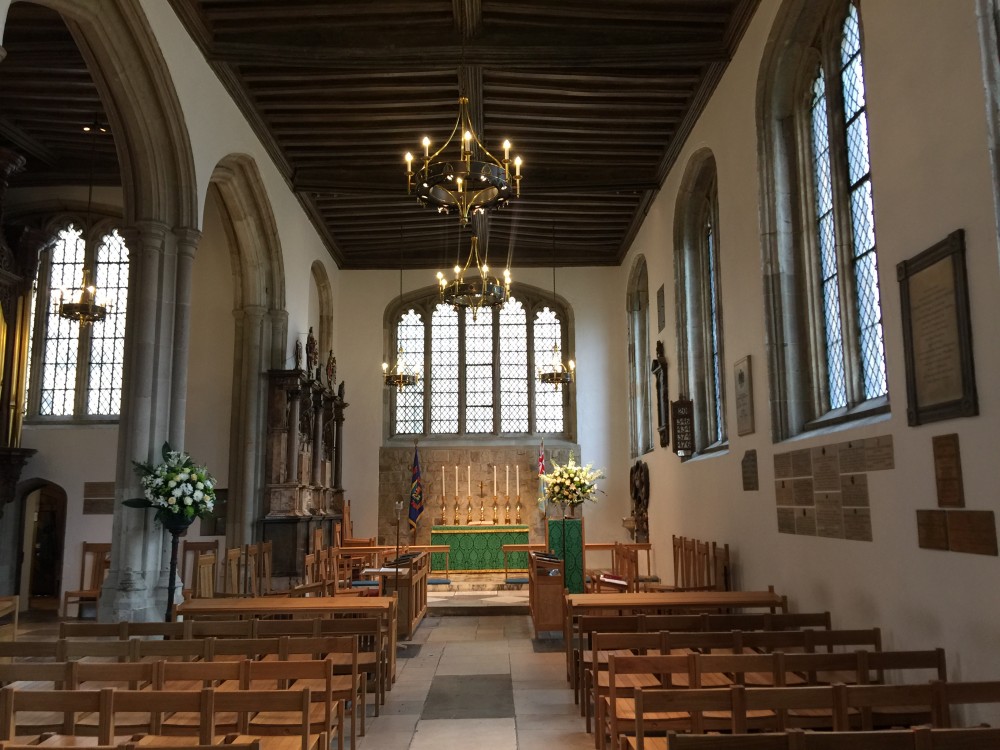
Explore the Chapel of St Peter ad Vincula in the Tower of London, UK. Discover its solemn history, famous burials of queens and saints, and enduring role.
<h2>Overview</h2><p>Nestled within the formidable walls of the Tower of London, the Chapel Royal of St Peter ad Vincula stands as a poignant and historically rich landmark in London, United Kingdom. Its name, 'St Peter ad Vincula', translates from Latin to 'St Peter in chains', referencing the apostle Peter's imprisonment in Jerusalem. This chapel serves not only as an active parish church for the Tower's resident community but also as the final resting place for many figures who met tragic ends within the Tower's confines. As a 'Royal Peculiar', it falls directly under the jurisdiction of the monarch, underscoring its unique historical and spiritual significance.</p><h2>History & Cultural Background</h2><p>The origins of the Chapel Royal of St Peter ad Vincula trace back further than the iconic White Tower itself, possibly to a 9th-century Saxon chapel. Over centuries, the chapel has been rebuilt several times. An early version was constructed by Henry I in 1128, initially situated outside the Tower's walls. Later, during the reign of Edward I in 1286-87, a new, 'great new Chapel' was built within the expanded fortress. This structure stood for over two centuries until a devastating fire in 1512 necessitated its replacement. The current Tudor chapel, which visitors see today, was built between 1519 and 1520 under the supervision of Sir Richard Cholmondeley, Lieutenant of the Tower, during Henry VIII's reign. Its transformation from a parish church outside the walls to the designated place of worship for the Tower's inhabitants highlights its evolving role within this historic complex.</p><p>Significant renovations in the 19th century, particularly in 1876, dramatically altered the chapel's interior. These works involved excavating the floor due to the large number of burials, leading to the discovery and reburial of many remains in a newly created crypt. It was during these renovations that the remains of figures such as Anne Boleyn and Lady Jane Grey were reportedly identified. Despite its solemn past, the chapel continues its long-standing tradition as a vibrant spiritual heart for the Tower community, hosting regular services, baptisms, and weddings.</p><h2>What Makes It Special</h2><p>What truly sets the Chapel of St Peter ad Vincula apart is its solemn role as the burial site for many of England's most famous and unfortunate historical figures. It has earned the poignant moniker of 'the saddest spot on earth' due to the concentration of executed prisoners laid to rest here. Among its most famous 'residents' are three queens of England: Anne Boleyn and Catherine Howard, both wives of Henry VIII, and the 'Nine Days' Queen', Lady Jane Grey. Other notable individuals interred here include Sir Thomas More, John Fisher, and Thomas Cromwell, all executed during the turbulent Tudor period.</p><p>Beyond its human history, the chapel also boasts unique architectural features. Its stunning Tudor roof, reputedly crafted from Spanish chestnut, is said to have been intended to provide spiritual comfort to Henry VIII's first wife, Catherine of Aragon, by reminding her of her homeland. Remnants of its Catholic past, such as a piscina (a stone basin for washing sacred items) and a hagioscope (a small opening allowing views of the altar), offer rare glimpses into its complex religious heritage. A magnificent 17th-century organ, adorned with carvings by the renowned Grinling Gibbons, also adds to the chapel's historical artistry.</p><h2>Stories, Fun Facts & Local Details</h2><p>Walking through the Chapel of St Peter ad Vincula is an intensely moving experience, as visitors literally walk over the final resting places of some of history's most compelling characters. A brass plate on the wall lists the names of many 'remarkable persons' buried in the chapel between 1534 and 1747, serving as a stark reminder of the lives that ended within the Tower. During the 1876 renovations, the remains discovered were identified, and memorial markers were placed on the floor to indicate the general burial areas of figures like Anne Boleyn, although their exact locations remain somewhat mysterious.</p><p>Interestingly, Sir Richard Cholmondeley, who oversaw the construction of the current chapel, has a prominent tomb monument within the building, yet he and his wife were not actually buried there. The chapel's crypt, a place for private worship and reflection, holds the remains of numerous individuals, including respected saints. The chapel's history is interwoven with both solemn tragedy and the everyday life of the Tower community, from royal prisoners to Yeoman Warders and mint workers, reflecting centuries of Christian worship.</p><h2>Visitor Perspective</h2><p>A visit to the Chapel of St Peter ad Vincula offers a profound connection to a tumultuous era of English history. Access to the chapel is typically part of a guided Yeoman Warder tour of the Tower of London, which enriches the experience with expert storytelling and historical context. Inside, a memorial pavement in the chancel commemorates the royal interments, particularly the executed queens Anne Boleyn and Catherine Howard, inviting quiet contemplation. The serene yet somber atmosphere encourages visitors to reflect on the themes of power, betrayal, justice, and faith that permeate the chapel's history. It is more than just a historical building; it is a powerful emblem of the human drama that unfolded within the Tower, making it an essential and unforgettable stop for any curious traveler.</p>
Location
Coordinates: -0.0768615, 51.508474
View on Google Maps