9/11 Memorial & Museum
New York, United States

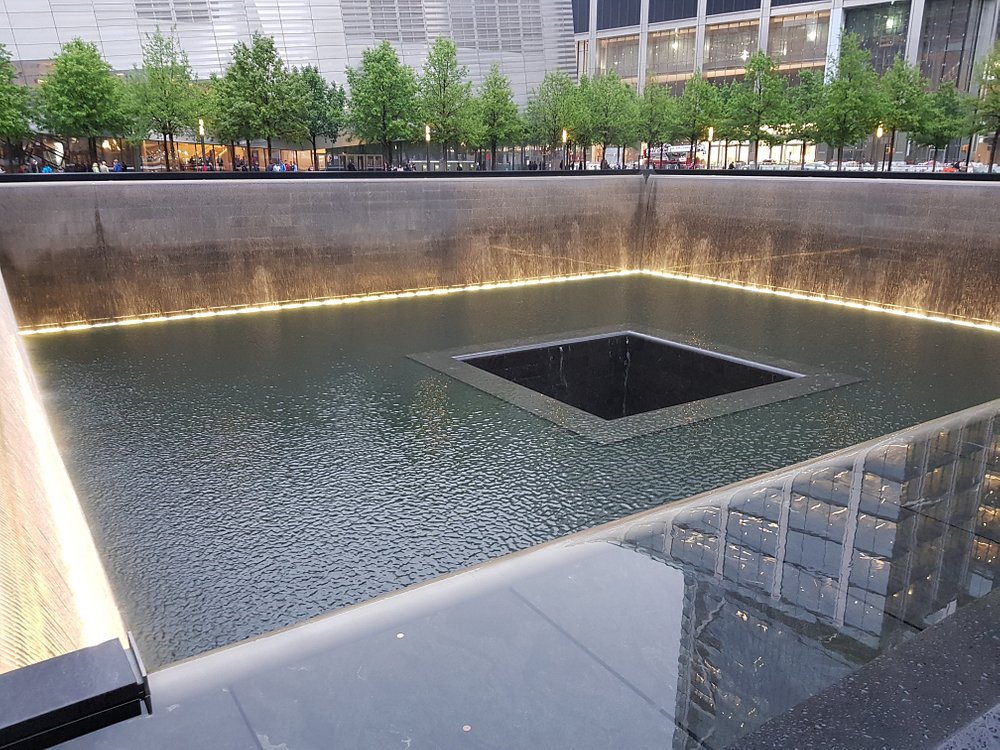
Explore the 9/11 Memorial & Museum in New York, United States, a poignant tribute to the victims and a powerful educational experience.
<h2>Overview</h2><p>The 9/11 Memorial & Museum, located at the heart of the reconstructed World Trade Center site in New York, United States, stands as a profound tribute to the nearly 3,000 lives lost in the terrorist attacks of September 11, 2001, and the six victims of the 1993 World Trade Center bombing. This solemn destination encompasses two distinct yet interwoven parts: the outdoor Memorial Plaza, a space of quiet contemplation featuring twin reflecting pools, and the underground Museum, which delves deeper into the events, their impact, and the stories of those affected. Its enduring mission is to honor the victims, acknowledge the resilience of survivors, celebrate the courage of first responders, and educate current and future generations about these tragic events and their enduring legacy.</p><h2>History & Cultural Background</h2><p>In the immediate aftermath of the devastating 2001 attacks, the need for a permanent memorial became paramount. An international design competition was launched, attracting over 5,000 submissions from 63 countries. The winning design, 'Reflecting Absence,' conceptualized by Michael Arad and landscape architect Peter Walker, was announced in 2004. This visionary design sought to create a powerful sense of loss while offering a space for solace and remembrance. The Memorial Plaza officially opened to the public on September 11, 2011, marking the tenth anniversary of the attacks. The accompanying Museum, an expansive underground institution, opened its doors to the public on May 21, 2014, following a dedication ceremony on May 15. Operated by a non-profit institution, the 9/11 Memorial & Museum serves as the principal institution for the study and remembrance of these pivotal events in American history.</p><h2>What Makes It Special</h2><ul><li><strong>The Reflecting Pools:</strong> These immense, nearly one-acre pools are precisely set within the footprints of the original Twin Towers. They feature the largest man-made waterfalls in North America, with water cascading into seemingly endless voids, symbolizing the immense loss. Around their bronze perimeters, the names of all 2,983 victims from both the 1993 and 2001 attacks are inscribed, arranged with a sensitive system of 'meaningful adjacencies' that groups loved ones or those who perished together.</li><li><strong>The Survivor Tree:</strong> A Callery pear tree discovered in the rubble of Ground Zero, severely damaged but still alive, was nursed back to health and replanted on the Memorial Plaza. It stands as a living symbol of resilience, hope, and rebirth.</li><li><strong>The Slurry Wall:</strong> Within the Museum, a section of the original World Trade Center's 'slurry wall' is prominently displayed. This foundational wall successfully held back the Hudson River during and after the attacks, becoming a powerful testament to survival and determination.</li><li><strong>The Last Column:</strong> Located in Foundation Hall, this 36-foot-high steel column was the final piece removed from Ground Zero during cleanup operations. It is covered with inscribed messages and tributes from recovery workers, offering a deeply personal connection to the immense effort that followed the tragedy.</li><li><strong>Comprehensive Collection:</strong> The Museum houses a vast collection of over 82,000 artifacts, including damaged emergency vehicles, steel remnants from the towers, personal effects, photographs, and thousands of oral histories, all meticulously preserving the story of 9/11.</li><li><strong>The Memorial Glade:</strong> This special pathway within the Memorial Plaza honors the countless first responders, recovery workers, and others who developed illnesses or died due to toxic exposures in the aftermath of 9/11.</li></ul><h2>Stories, Fun Facts & Local Details</h2><p>The Museum's entrance pavilion, designed by the firm Snøhetta, features a striking deconstructivist design, subtly echoing the image of a partially collapsed building as a visual prelude to the history within. Visitors often find profound meaning in the details, such as the poignant inscriptions on the Memorial pools, where the names of some female victims are followed by 'and her unborn child,' underscoring the full scope of loss. Another significant artifact is 'The Sphere,' a large bronze sculpture that once stood between the Twin Towers. Though damaged in the attacks, it survived and is now displayed nearby in Battery Park City, a symbol of perseverance. The Museum actively gathers and preserves oral histories, featuring firsthand accounts from survivors, first responders, and family members, offering invaluable human perspectives on the tragedy and its aftermath. These stories reveal the incredible bravery and selflessness of individuals, with many recovery workers recounting how, despite knowing the health risks, they would 'do it again' to help others. For those visiting with younger companions, the Museum offers resources, including advice on how to discuss the sensitive topic of 9/11 with children and provides age-appropriate audio guides to help them understand the events.</p><h2>Visitor Perspective</h2><p>Visiting the 9/11 Memorial & Museum is often described as a profoundly moving and intense experience, demanding both emotional and intellectual engagement. It is recommended that travelers approach their visit with a sense of reverence and allow ample time for reflection. While the outdoor Memorial Plaza, with its tranquil reflecting pools, is freely accessible to the public, entry to the Museum requires timed-entry tickets. To ensure a smooth visit, especially during peak times, it is highly advisable to purchase tickets in advance. All visitors to the Museum undergo security screening, similar to airport procedures, so it's best to limit carried items. Within the Memorial, photography is generally permitted, though visitors are asked to maintain a respectful demeanor. Inside the Museum, specific sensitive exhibits have restrictions on photography to encourage deeper personal engagement and maintain the solemn atmosphere. The entire complex, including the Museum, is designed to be wheelchair accessible, ensuring that all visitors can experience this important site. The 9/11 Memorial & Museum is located at 180 Greenwich Street in Lower Manhattan, New York City, making it a central and accessible destination for those wishing to pay their respects and learn about history.</p>
Location
Coordinates: -74.01361, 40.71167
View on Google Maps